June 26, 2026 · Sewing Society · 3 min read · Quilting, Sewing Tips & Hacks
Disclosure: As an Amazon Associate, we earn from qualifying purchases. Some links in this post may be affiliate links.
How to Pick Quilt Fabrics That Actually Work Together
Picking fabrics for a quilt can feel overwhelming, but it gets a lot easier once you understand a few basics. Here's how to use color theory, tone, and print scale to build a quilt palette that actually works.

Walking into a fabric store can feel equal parts exciting and overwhelming. There are rows and rows of quilting fabric organized by color, and suddenly you have to pick several of them that will all work together in one quilt.
Questions start piling up fast. What should the background color be? Are these prints too bold? Will any of this actually look good together? It's a lot to think about.
The good news is that choosing coordinating colors and prints is a skill you can learn. Some people seem to have a natural eye for it, but most of us have to develop it over time. Here's where to start.
Start with Color Theory
Color makes or breaks a quilt, so before you start pulling bolts, it helps to understand a few basics.
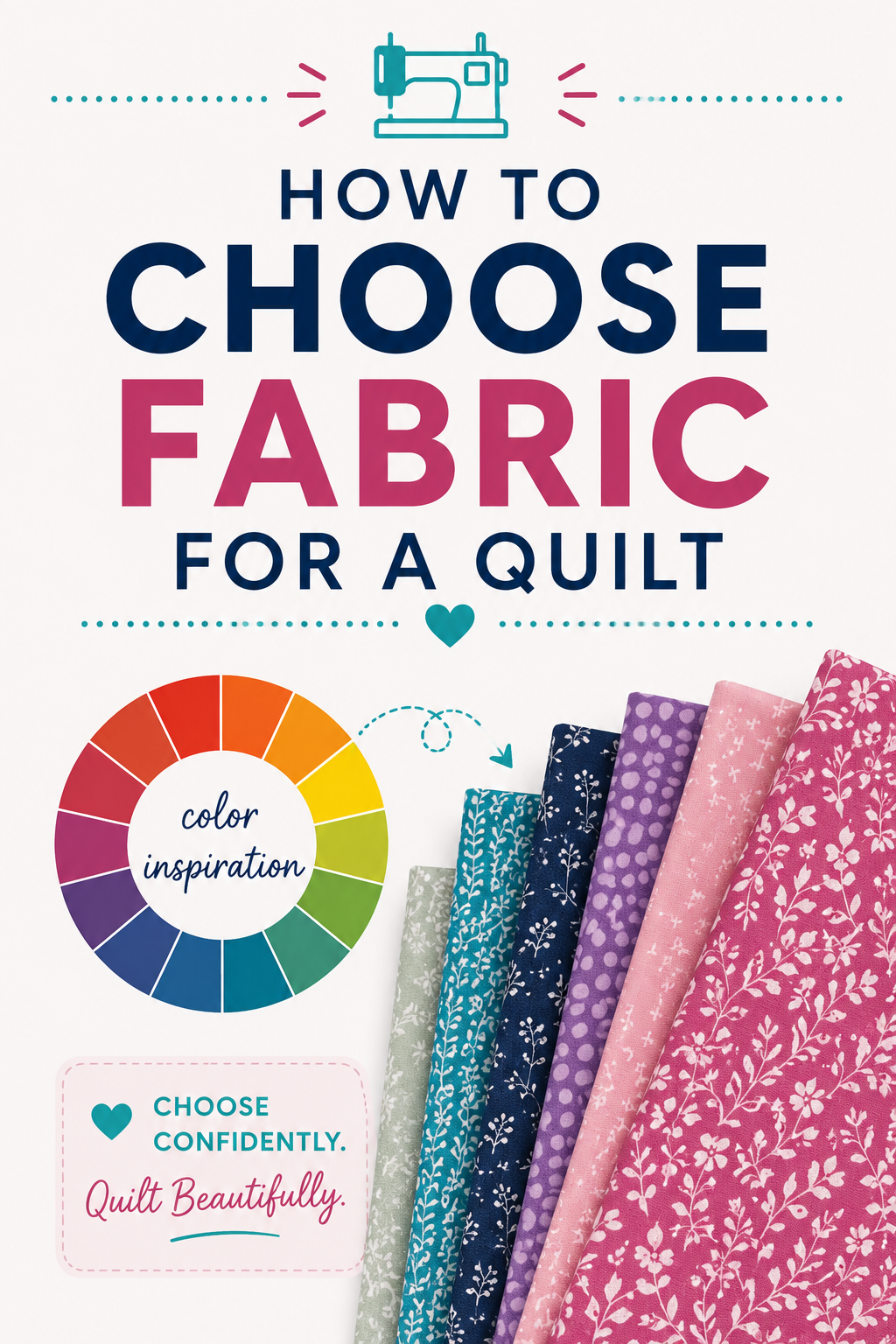
You probably remember from grade school that the primary colors are red, yellow, and blue, and that mixing them creates the secondary colors: green, orange, and violet. As a quilter, the color wheel is a useful starting point. Colors that form a triad (three evenly spaced points on the wheel) almost always look good together. Red, yellow, and blue are a classic triad. So are green, orange, and violet.
From there, look at complementary colors, which are colors sitting directly across from each other on the wheel. Red and green, orange and blue, yellow and violet. These pairings create strong contrast and work beautifully in quilts.
If you want something a little more nuanced, try a split complementary combination. Pick a color, find its complement on the opposite side of the wheel, and then use the two colors on either side of that complement instead. It creates a softer contrast than a straight complementary pairing but still feels intentional and balanced.
This is just the foundation, but it gives you a reliable place to start when choosing your base colors.
Think About Tone and Background Color
Once you've landed on a color combination, the next step is thinking about tones. Quilts really shine when they include a range of dark, medium, and light values. Using all the same tone, even in different colors, tends to flatten things out.
Neutrals are your best friend here. White, cream, gray, taupe, beige, and black all work well as background fabrics because they create contrast and let your other colors breathe. A dark background like black or navy can make bright colors pop dramatically. A soft white or cream background gives the quilt a lighter, airier feel. Neither is wrong; it just depends on the mood you're going for.
Add in Prints and Solids
Once you know what colors and tones you want to work with, it's time to bring in prints. Start by finding one or two bold fabrics you love that fit your color palette. Those become your anchor fabrics. Then build around them by layering in solids, tone-on-tones, or batiks that pull from the same colors.
Varying print scale matters just as much as color. A mix of large, medium, and small prints adds visual interest and keeps the quilt from looking flat or too busy. Large prints add drama and movement. Small prints and solids give the eye a place to rest.
Take your time with this part. Lay fabrics next to each other, step back, and trust what you're seeing. If two fabrics look good together to you, they probably are. This is one of those skills that gets easier and more intuitive the more you do it.
 Pin It
Here are a few combinations I put together that I think work well:
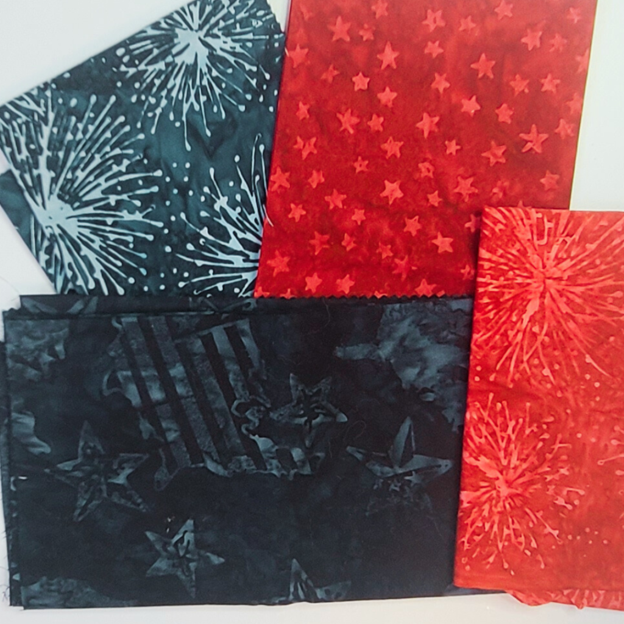
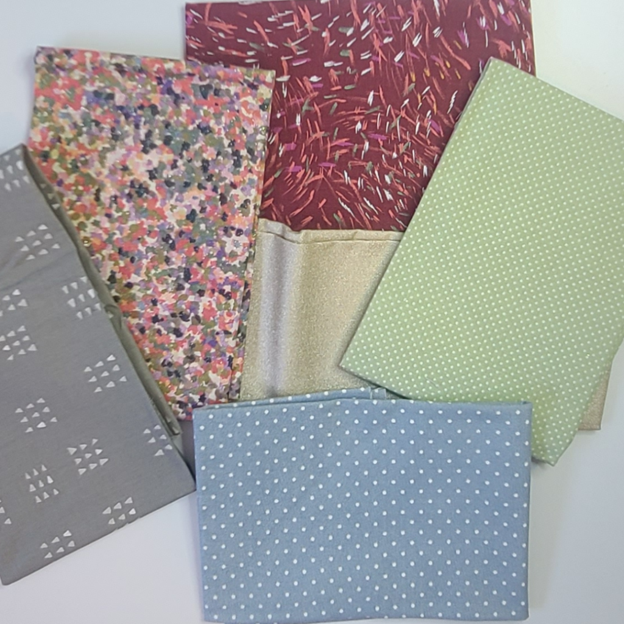
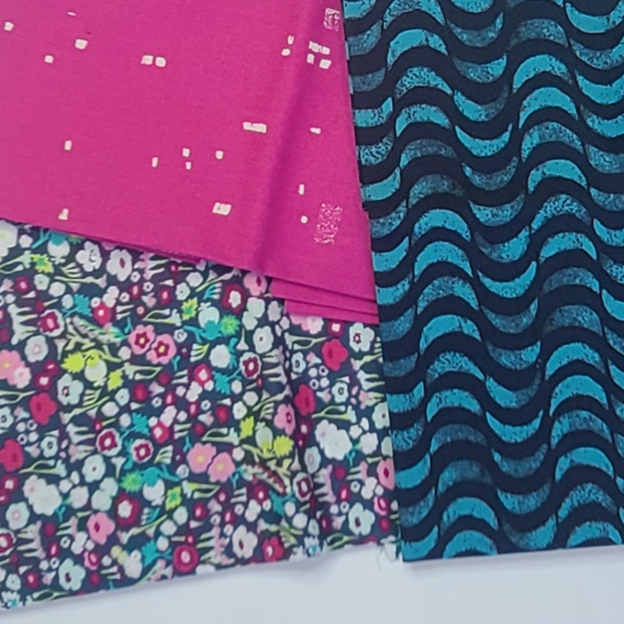
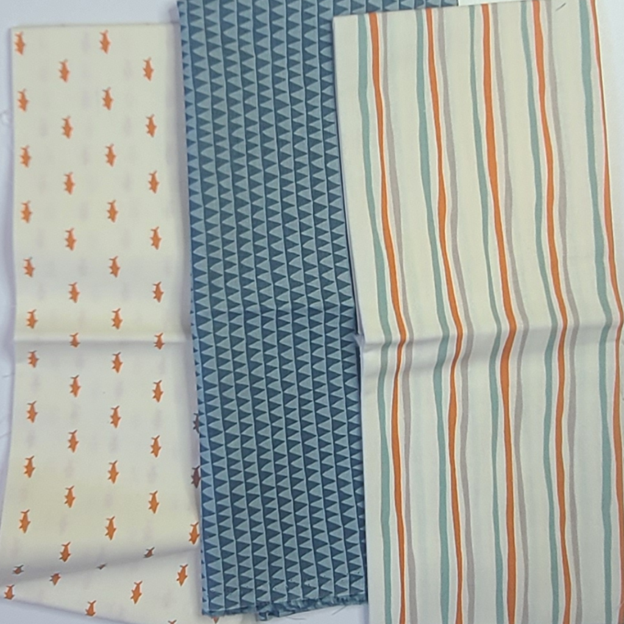
If you're just starting out, sticking to a predesigned fabric collection is a great shortcut. Designers put those collections together specifically to coordinate, so you can't really go wrong. And if you're ever unsure about a combination you've pulled together, share a photo in our forum. We'd love to help.
Related reading: The Secret Quilt Batting Alternative That Will Save You Tons of Money
AI Sewing Coach
Create a free account to chat with our AI Sewing Coach — trained to help with sewing techniques, troubleshooting, projects, fabric questions, and more!
Comments
Comments are screened by an AI moderator for spam and inappropriate content.
Sign in to join the conversation.
Loading comments…