January 5, 2026 · Sewing Society · 3 min read · Sewing Tips & Hacks, Learn to Sew
Disclosure: As an Amazon Associate, we earn from qualifying purchases. Some links in this post may be affiliate links.
How to Teach Your Kids to Sew (Tips That Actually Work)
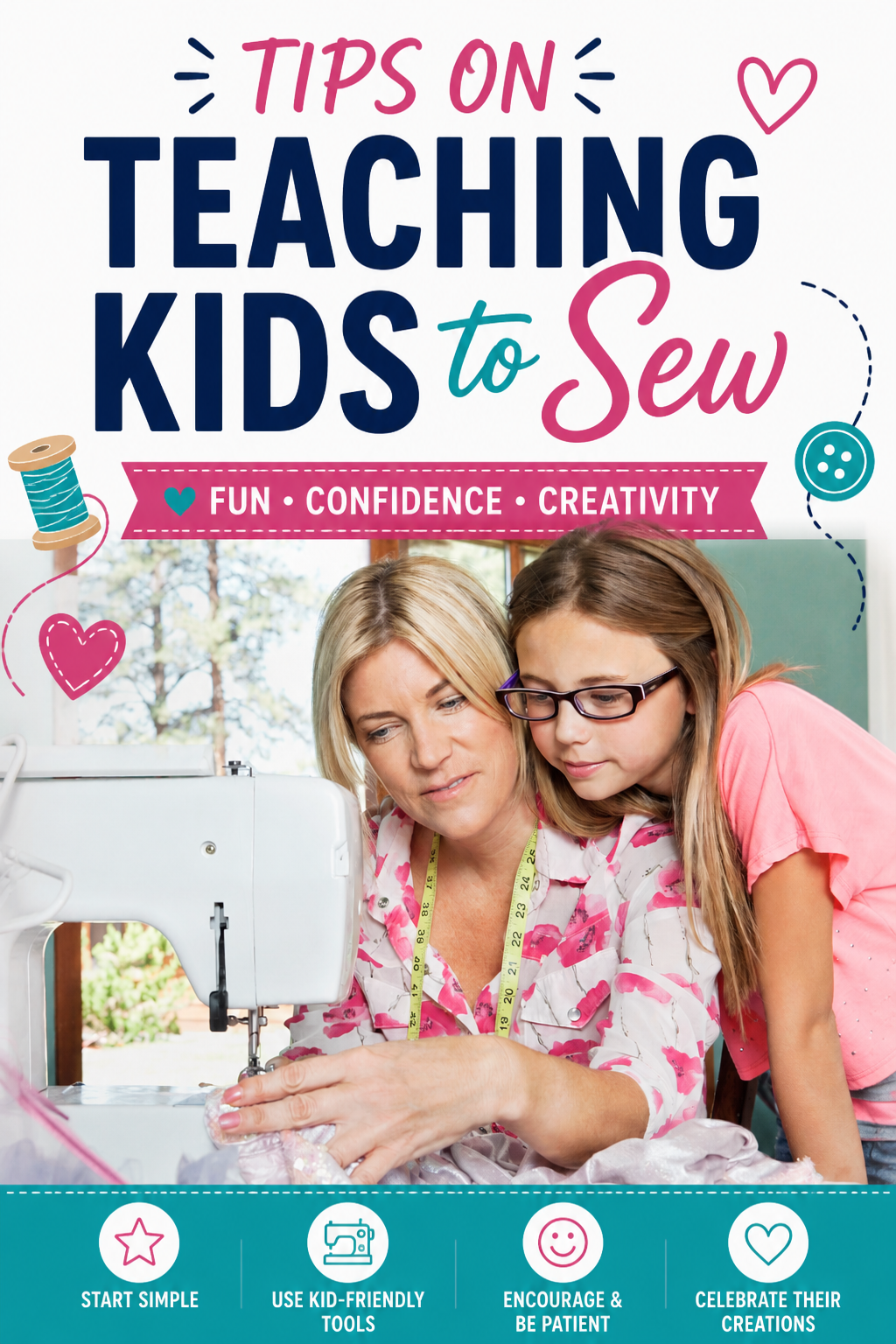
Teaching kids to sew is one of the most rewarding things you can do together, but it helps to approach it the right way. From skipping the toy machines and getting a real beginner sewing machine to keeping projects age-appropriate and resisting the urge to step in and do it for them, here are the tips that actually work.

The best time to teach your kids to sew is whenever they start showing an interest. That might be at age 4, age 10, or even as a teenager. The key is to follow their lead. When it's their idea, you'll have so much more success keeping them motivated.
Here are some tips for making it a fun, positive experience from the very beginning!
Give Them a Real Sewing Machine
I'm sure you've seen those tiny toy sewing machines at the store. They are a joke. If you actually want your child to learn to sew, you need to set them up with a real machine that can handle more than two layers of thin cotton.
There are plenty of beginner sewing machines that won't break the bank, and kids don't need tons of fancy stitches or features when they're just starting out. They can always upgrade to something better once they've proven they'll stick with it.
Now, you could let your child use your machine. But I'll be honest: I am very protective of mine. It cost a lot of money, and the thought of my kids turning the handwheel the wrong direction or messing with the tension keeps me up at night. A dedicated beginner machine just for them is worth the peace of mind!
It's also a good idea to set your kids up with their own basic sewing kit. Having their own supplies makes the whole experience feel more special and teaches them to take ownership of their tools.
Teach Sewing Safety First
Sewing isn't particularly dangerous, but kids will be working with sharp scissors, pins, and a fast-moving needle. Sewing safety rules should be established from day one.
Start by teaching them how to handle scissors and other sharp objects correctly. Then talk about where to keep their fingers while the machine is running. Kids have a tendency to want to go faster than they should, which is when accidents happen. Always supervise children at the sewing machine, especially in the beginning.
Choose Age-Appropriate Projects
Anyone can learn to sew, even very young children. Lace-up cards are a great way to introduce hand sewing to little ones before they're ready for a machine. As they get older, you can gradually introduce more complex skills and projects.
Jenny from Everything's Famtastic shared some great advice on this:
"I have 3 children (aged 12, 9, and 7) and all have shown an interest in sewing. I have to pick and choose what projects or tasks they can perform before they sit down in front of the machine. My 12-year-old has made scrunchies, cushion covers, and cute stuffed toys with just a few technique tips. My 7-year-old is great at pinning and unpinning, but I haven't sat him down at the machine for more than a few moments yet. I think it is important that children are invited into choosing the sewing project and the fabrics. Giving them a chance to participate even at the planning stage makes it more fun, increases the chance of them actually completing the project, and gives them even more personal satisfaction when they're done. My tips: involve your kids in the decision-making, take it slowly, be patient and tolerant of mistakes, and stay cool."
Well said, Jenny! Letting kids make choices and be creative is what makes sewing exciting for them.
Don't Insist on Perfection
All beginners make mistakes. That's not a problem, that's just how learning works. Instead of pushing for perfect results, focus on building one skill at a time. Start with sewing in a straight line, then gradually introduce things like pockets, zippers, and buttons as their confidence grows.
One important thing: don't do the hard steps for them. It's easy to fall into that habit, and once you do, they'll start saving every tricky step for you. If they don't try it themselves, they won't learn it.
For older kids, encourage them to start reading sewing patterns on their own too. When I was young, I always had my mom walk me through every step, and I didn't actually learn to read patterns independently until she wasn't around to help anymore. Let them figure it out with guidance, not hand-holding.
Teaching your kids to sew is such a rewarding experience. Be patient, keep it fun, and celebrate the small wins along the way.
 Pin It
Do you have tips of your own for teaching kids to sew? Share them in the comments below!
Also read: 4 Important Things to Remember When You're Learning to Sew
Related reading: How to Make Better Buttonholes on Your Sewing Machine
AI Sewing Coach
Create a free account to chat with our AI Sewing Coach — trained to help with sewing techniques, troubleshooting, projects, fabric questions, and more!
Comments
Comments are screened by an AI moderator for spam and inappropriate content.
Sign in to join the conversation.
Loading comments…