June 8, 2026 · Sewing Society · 4 min read · Learn to Sew, Sewing Tips & Hacks
Disclosure: As an Amazon Associate, we earn from qualifying purchases. Some links in this post may be affiliate links.
How Do I Prevent Fabric from Fraying?
Fraying is one of those things that can turn a beautiful sewing project into a frustrating mess — unraveling seams, fuzzy edges, and stitches that slowly pull apart over time. The good news is that it's completely preventable. Whether you're sewing a simple tote bag or a lined dress, there's a seam finish for every project and every skill level.

If you've ever pulled a finished garment out of the wash only to find the inside seams looking like a fringe festival, you know how important seam finishing is. Most woven fabrics fray to some degree. Loosely woven fabrics like linen, viscose, and chiffon can start unraveling almost as soon as you cut them. Even tightly woven cottons will fray over time with repeated washing.
The fix is simple: finish your seams. Here's a look at some of the most common and effective options.
Seam Finishes to Prevent Fraying
1. Serged (Overlock) Seam
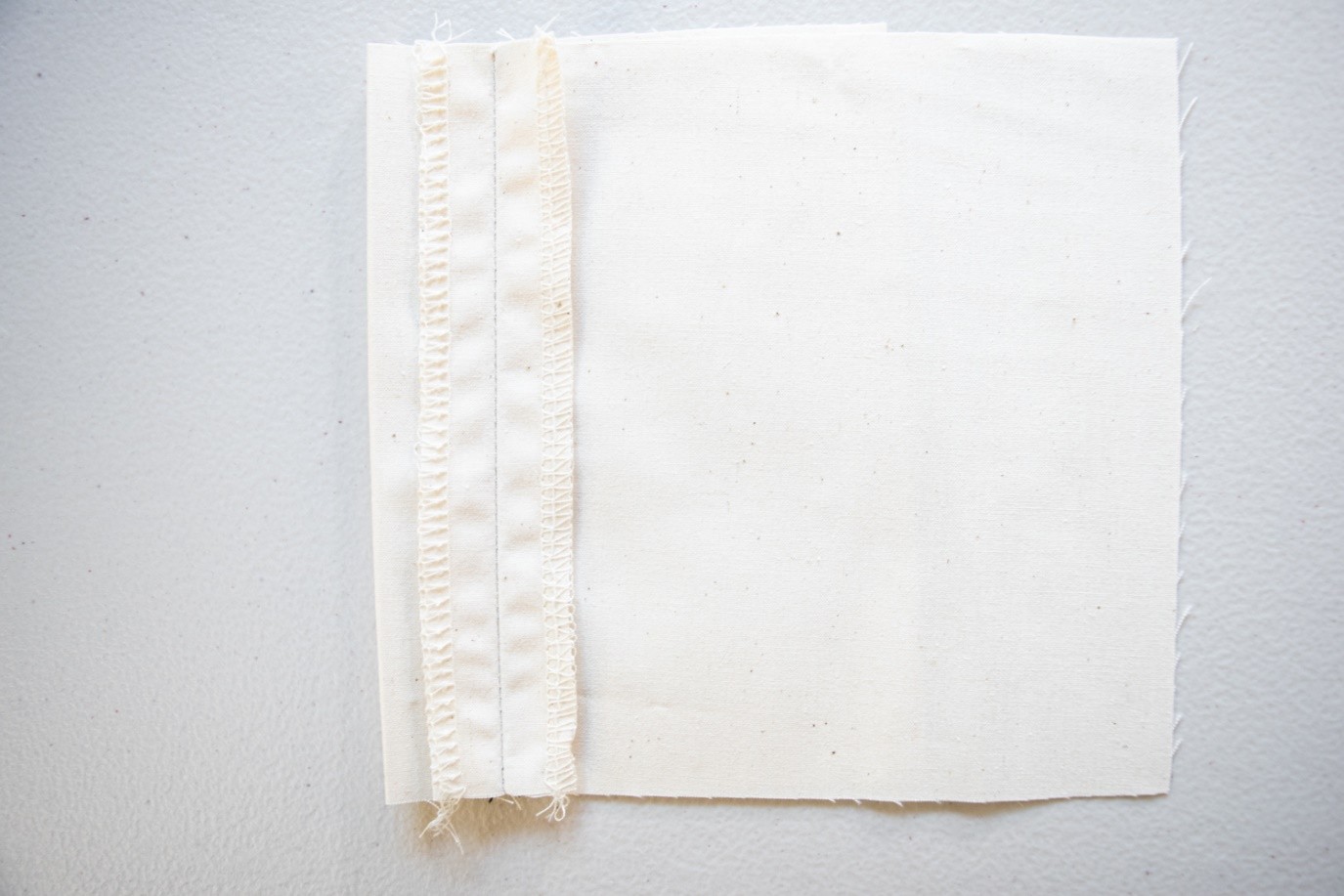
If you have a serger, this is the gold standard. A serger trims, wraps, and overcasts the raw edge in one step, giving you a clean, professional finish that holds up beautifully in the wash. It's fast, it's durable, and it's what you'll see on the inside of most ready-to-wear clothing. If you sew regularly, a serger is one of the best investments you can make.
2. Zigzag Stitch
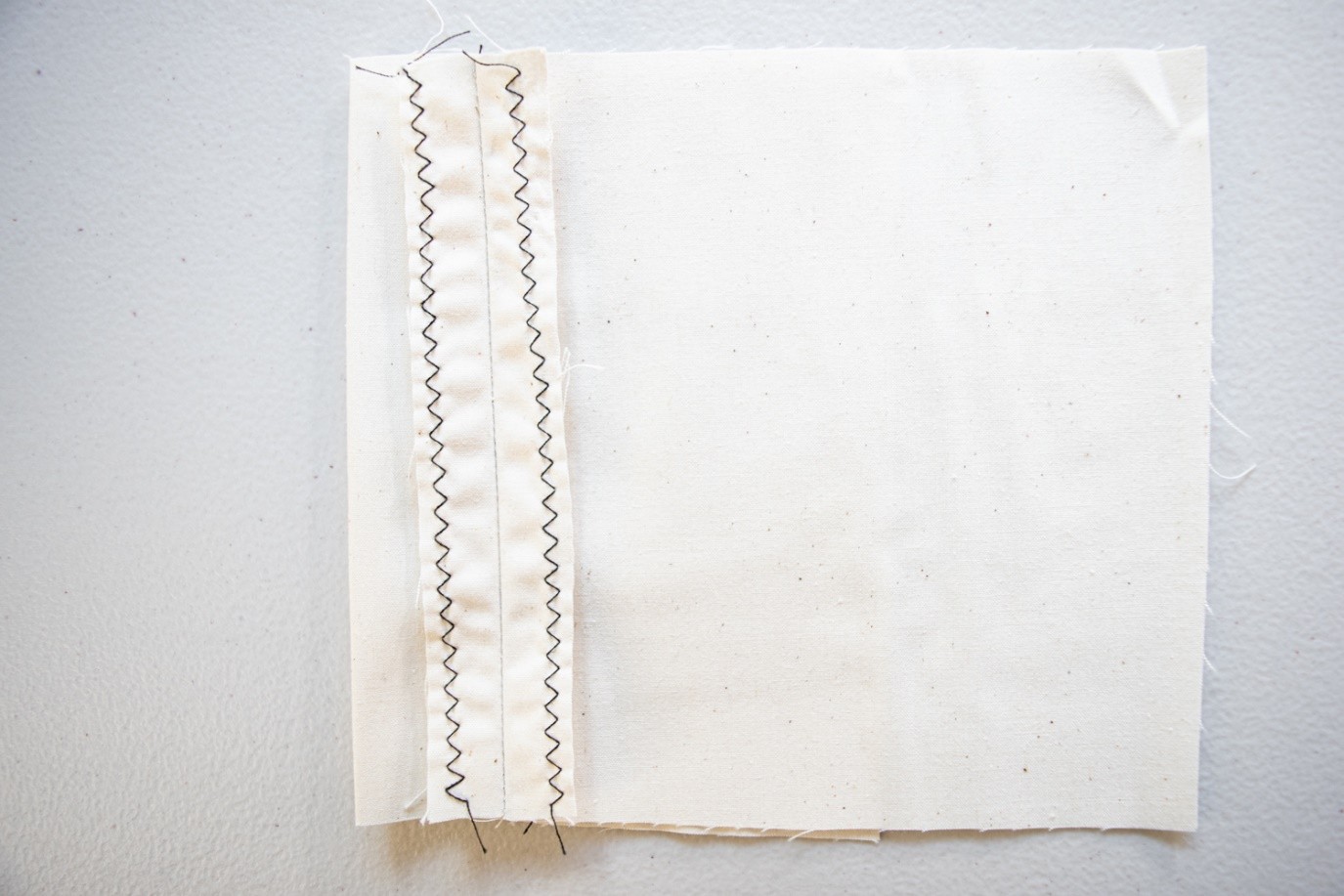
No serger? No problem. A zigzag stitch sewn along the raw edge of your fabric is one of the most accessible seam finishes around — every basic sewing machine has one. Sew close to the raw edge without going over it, then trim any excess. It won't look quite as neat as a serged edge, but it does the job well on most fabrics.
3. Overcast Stitch
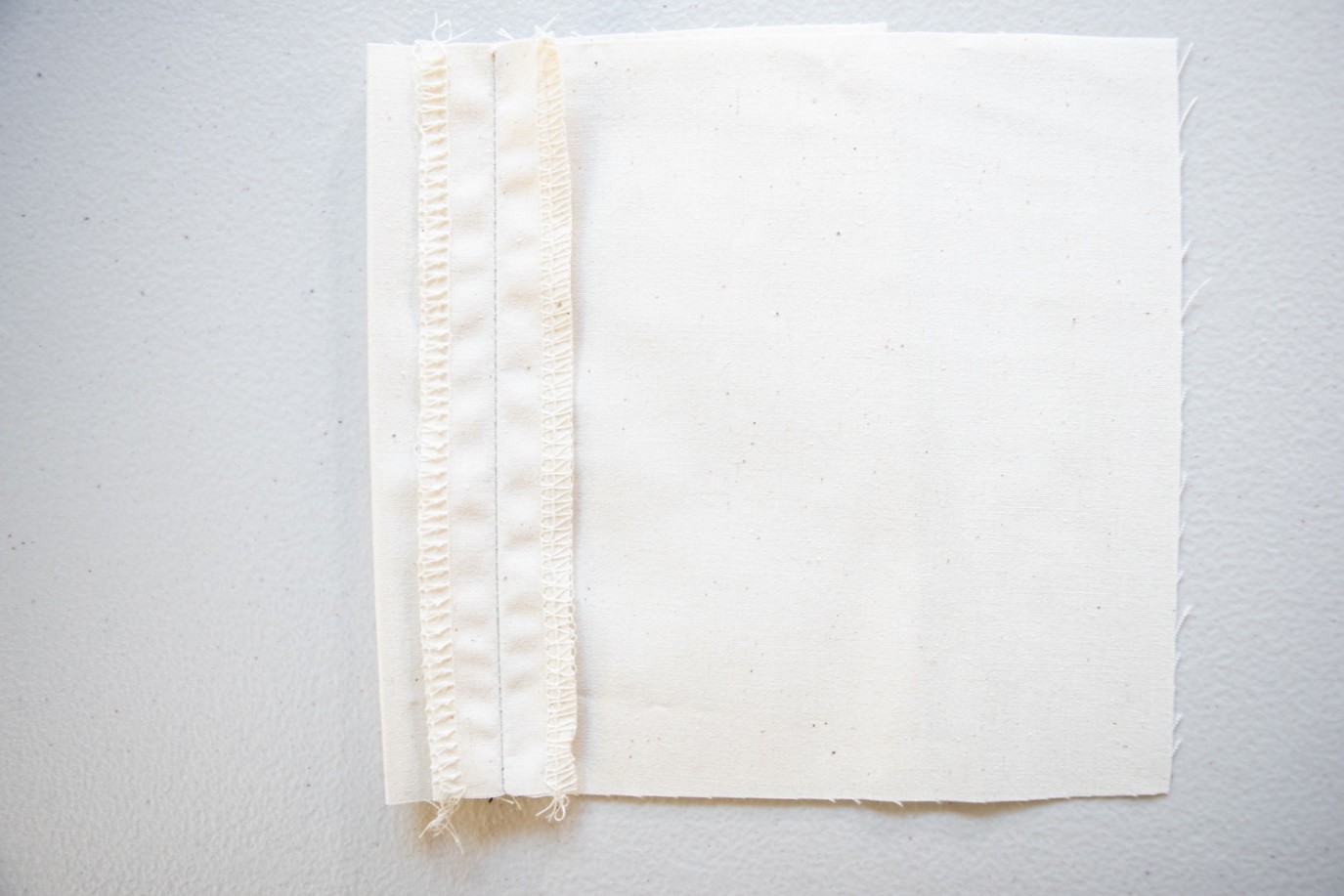
Many modern sewing machines have a built-in overcast or overlock stitch — it's the one that looks like a zigzag that wraps over the edge. Pair it with an overcast presser foot (which has a little guide pin to stop the fabric from tunneling) and you'll get a result surprisingly close to a serged edge without needing a separate machine.
4. Pinking Shears
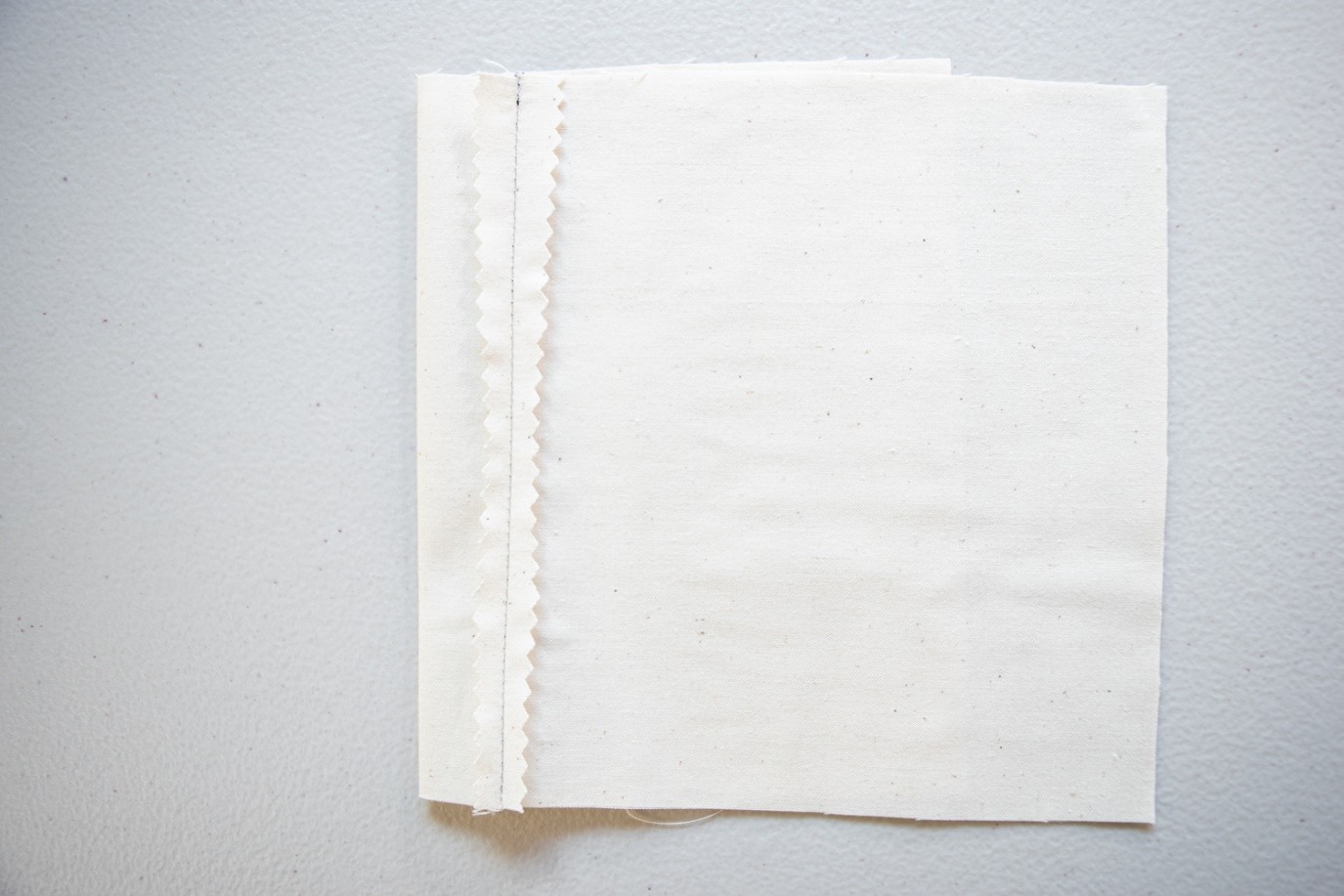
Pinking shears cut a zigzag edge that reduces fraying by shortening the thread lengths that can unravel. They won't stop fraying completely on loosely woven fabrics, but they're quick, they require no stitching, and they're great for fabrics that don't fray too aggressively — like quilting cotton or felt. They're also handy for reducing bulk in seam allowances on curved seams.
5. French Seam
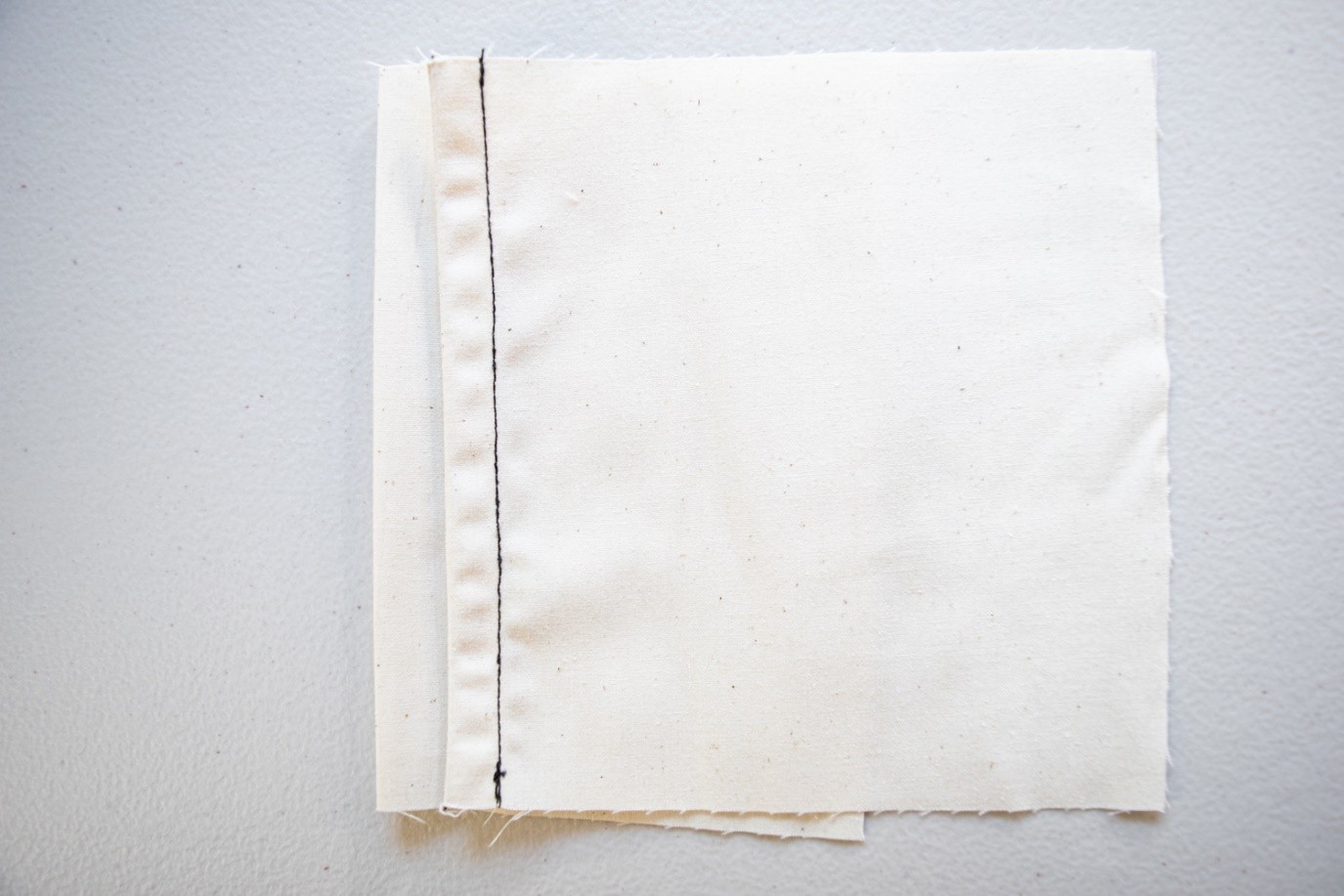
A French seam is a beautiful technique where the raw edges are fully enclosed inside the seam itself — no raw edges exposed at all. It takes a little more time, but the result is incredibly neat and completely fray-proof. French seams work best on lightweight, straight or gently curved seams. They're a classic finish for blouses, lingerie, and anything made from delicate or sheer fabric.
6. Hong Kong Seam
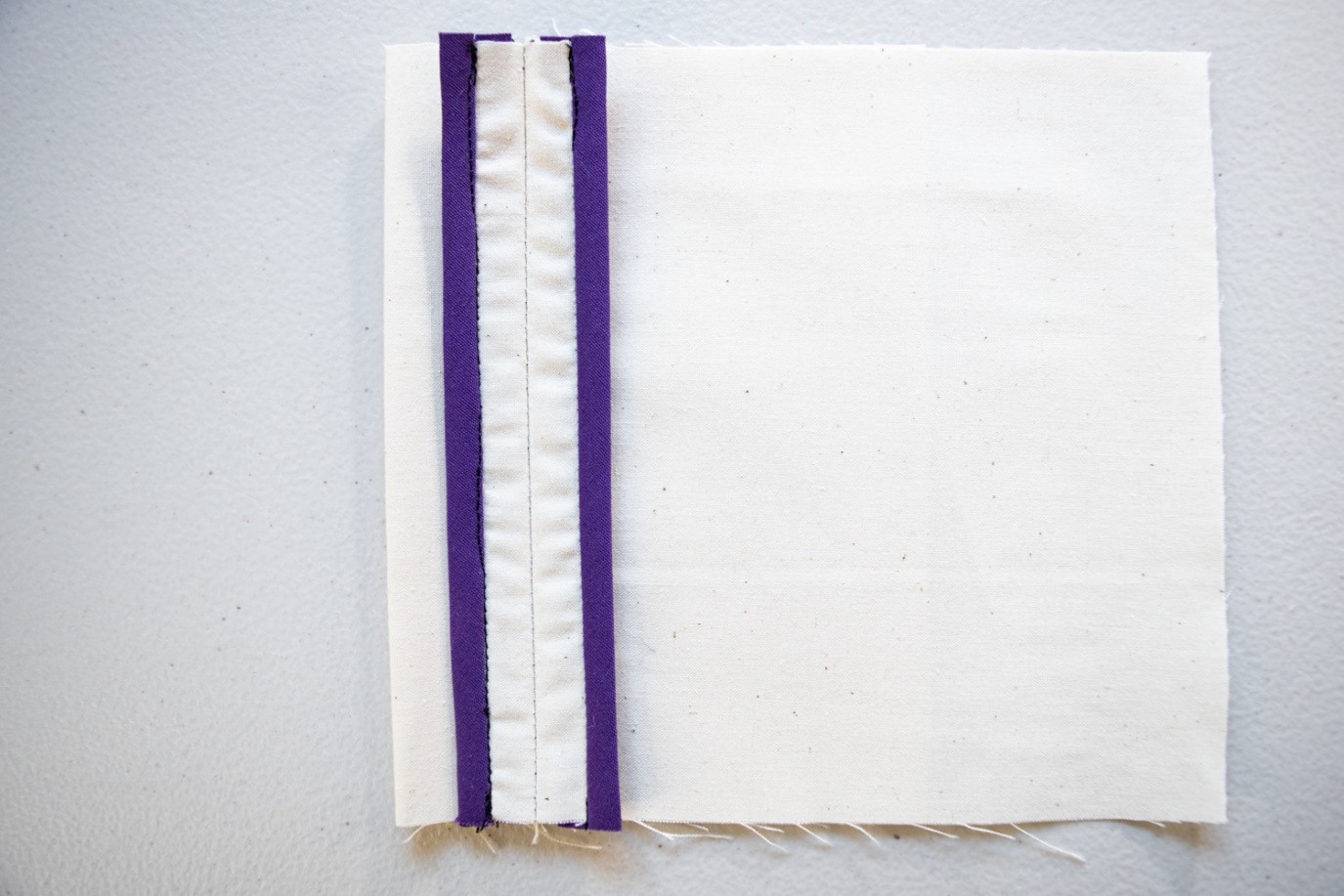
The Hong Kong seam is the couture version of seam finishing. Each raw edge is individually wrapped in a strip of bias binding, then stitched down. It takes the most time of all the options here, but the result is stunning — clean, flat, and incredibly durable. It's worth the effort on jackets, coats, and any unlined garment where the inside will be on show.
💡 A Word About Fray Check
Fray Check is a liquid seam sealant you apply directly to raw fabric edges. It dries clear and flexible, bonding the fibers together to stop fraying in its tracks. It's brilliant for:
Sealing the edges of buttonholes before you cut them open
Quick fixes on a finished garment where a seam is starting to unravel
Ribbon, trim, and straps where you want a clean cut edge without folding or stitching
Tricky corners and curves that are hard to finish with a machine
Apply it sparingly with the built-in tip, let it dry completely before handling, and always test on a scrap first. It can occasionally leave a slight stiffness or watermark on very delicate fabrics. It's not a substitute for a proper seam finish on a garment you'll wash regularly, but as a spot treatment and finishing tool, it's one of those things that earns a permanent place in your sewing kit.
Which Finish Should You Use?
The best seam finish depends on your fabric, your project, and your equipment. Here's a quick way to think about it:
Everyday garments and home dec projects — serged edge or zigzag stitch
Lightweight and sheer fabrics — French seam or serger
Unlined jackets and coats — Hong Kong seam
Quick projects and quilting cotton — pinking shears or zigzag
Buttonholes, trims, and quick fixes — Fray Check
The most important thing is simply to choose something and do it consistently. Finishing your seams is one of those habits that instantly elevates the quality of everything you make, and once it becomes part of your routine, you won't think twice about it.
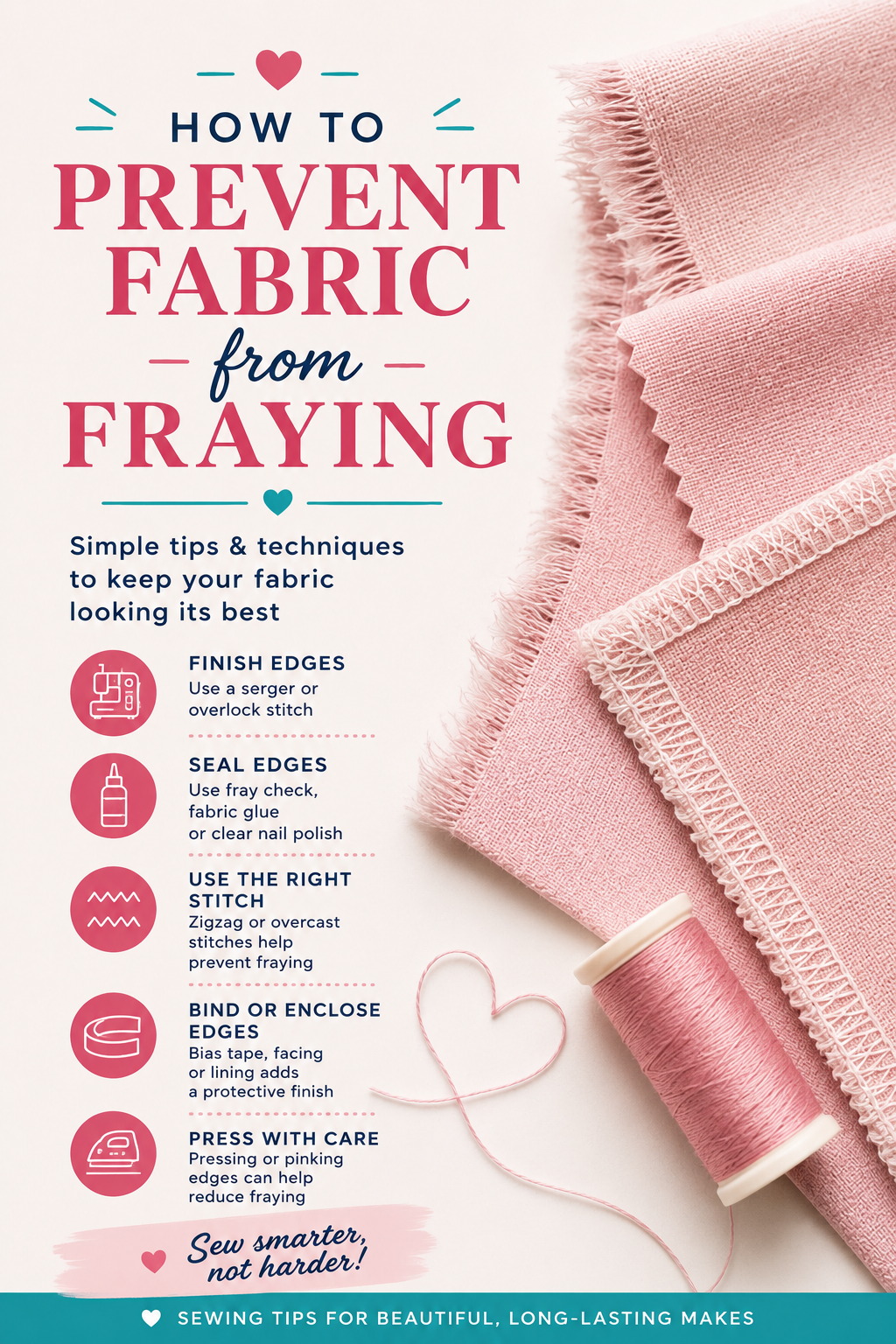 Pin It
Want to learn more about the stitches your machine can make and how to use them? Check out my post on 11 Basic Stitches and Seam Finishes You Need to Know — it covers everything from straight stitches to Hong Kong seams in detail.
Have a favorite seam finish I didn't mention? Drop it in the comments — I'd love to hear what's working for you!
Related reading: How to Use a Seam Ripper (4 Easy Methods)
AI Sewing Coach
Create a free account to chat with our AI Sewing Coach — trained to help with sewing techniques, troubleshooting, projects, fabric questions, and more!
Comments
Comments are screened by an AI moderator for spam and inappropriate content.
Sign in to join the conversation.
Loading comments…