September 21, 2025 · Sewing Society · 4 min read · Quilting
Disclosure: As an Amazon Associate, we earn from qualifying purchases. Some links in this post may be affiliate links.
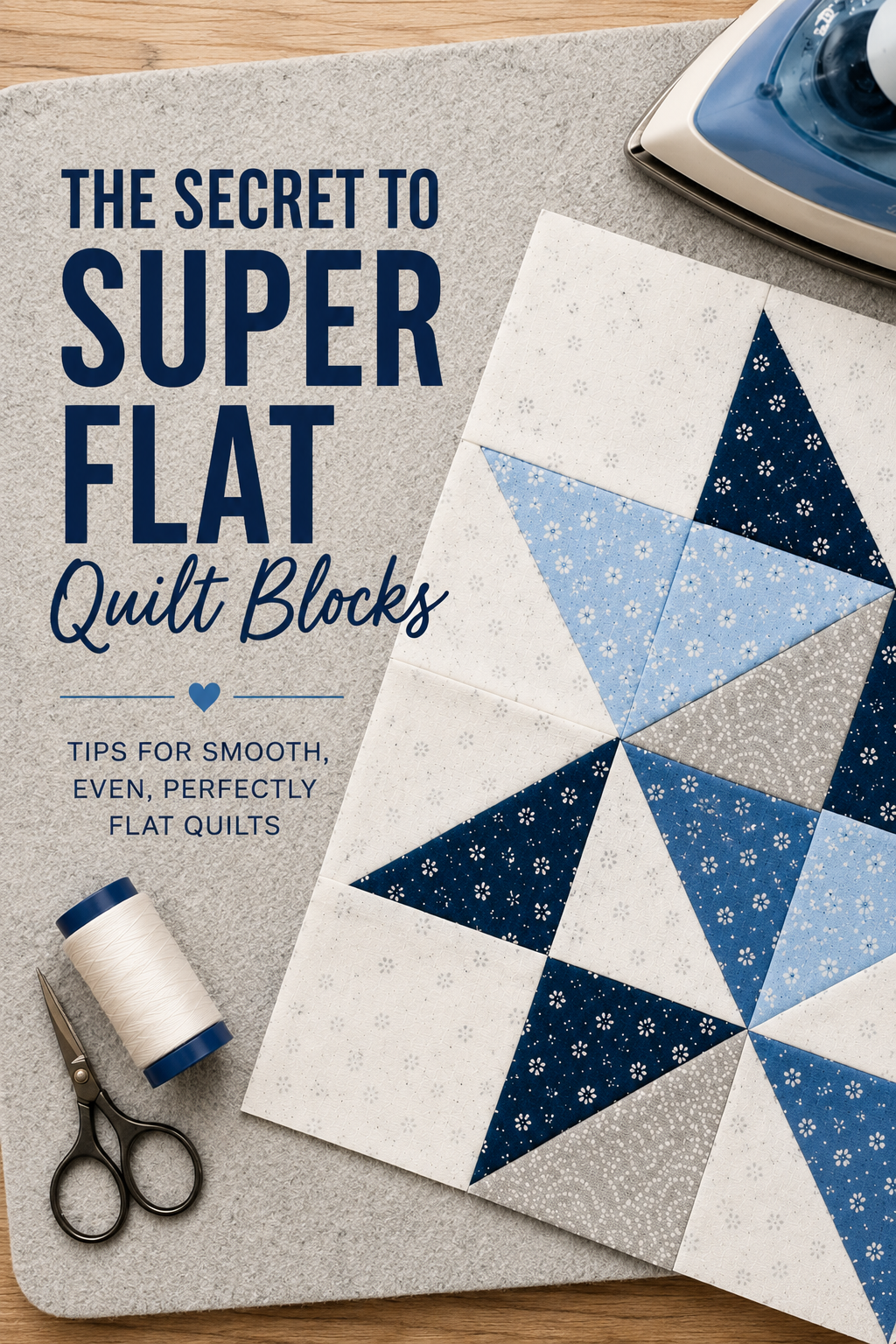
The Secret to Super-Flat Quilt Blocks (It's Not Starch)
Struggling to get your quilt blocks to lie flat? Spray starch and steam can only do so much. The real secret is a wool pressing mat — a simple tool that presses your blocks from both sides at once for noticeably flatter, more accurate results. Here's everything you need to know about why wool pressing mats work and how to choose the right size.

Every quilter knows the frustration. You press your blocks, arrange them carefully, and somehow they still don't lie completely flat. You've tried spray starch. You've switched to thinner thread. You've pressed and repressed until your iron practically has a permanent home on the ironing board.
Those things can help, but there's one tool that makes a bigger difference than any of them, and a surprising number of quilters haven't discovered it yet.
The secret is a wool pressing mat.
Why Wool Works So Well
Wool has exceptional heat-retention properties, and that's exactly what makes it so effective for pressing quilt blocks.
When you press a quilt block on a standard ironing board, the heat from your iron travels down through the fabric, but the padded ironing board surface beneath it just absorbs that heat and dissipates it. You're only pressing from one direction.
A wool pressing mat works differently. Instead of absorbing and losing the heat, wool retains it and reflects it back up through your fabric. The result is that your quilt block gets pressed from both sides simultaneously — the iron working from the top, the mat radiating heat from below. That double-sided heat penetration is what produces blocks that lie noticeably flatter than anything you can achieve with a standard ironing setup.
It sounds simple, but once you try it, you'll wonder how you ever quilted without one.
More Benefits of Using a Wool Pressing Mat
Beyond the flat blocks, wool pressing mats offer several other advantages that make them worth having on your pressing station.
No starch or steam required. The heat retention of the wool does the work that starch and steam are trying to accomplish. Most quilters find they can skip those products entirely once they start using a wool mat, which means no starchy buildup on your iron and no moisture introduced to your fabric.
Your blocks stay put while you press. Wool has a natural grip that keeps fabric from sliding around on the surface. This is especially helpful when you're pressing open seams or trying to keep a block square while you work. Less shifting means more accurate results.
You can pin directly into the mat. This is a game-changer for pressing tricky areas. If you need to hold a seam or shape in place while you press, you can pin straight into the wool surface. No need for a separate blocking board or pins in your ironing board cover.
It's portable and versatile. A wool pressing mat can sit on your cutting table, on a desk, or right next to your sewing machine — wherever it's convenient. You're not tied to your ironing board, which means less back-and-forth while you're chain-pressing blocks.
It works without an ironing board. Because the mat creates its own pressing surface, you can use it on any heat-safe table or countertop. It protects the surface beneath it while still delivering outstanding results.
What Size Wool Pressing Mat Should You Get?
Wool pressing mats come in several sizes, so the right one depends on how and where you like to press.
Small (around 9"x12") — Great for placing next to your sewing machine for quick block pressing without leaving your seat. Perfect for small quilt blocks and units.
Medium (around 12"x18") — The most popular size for a dedicated pressing station. Big enough to press most standard quilt blocks in one pass, but compact enough to fit on a cutting table or sideboard.
Large (ironing board size) — If you want the full benefit of wool pressing across your entire ironing surface, you can get a large wool mat sized to cover your ironing board. Some larger mats can even be trimmed to fit.
If you're just getting started with wool pressing, the 12"x18" mat is a great all-around choice. Many experienced quilters eventually end up with two — a small one beside the machine and a larger one for final block pressing.
Is There Any Downside?
Just one worth mentioning: the smell.
Wool pressing mats are made from 100% natural wool, which can have a noticeable lanolin scent, especially when heat is first applied. It's not unpleasant, but it can catch you off guard the first few times you use it. The good news is that the smell fades significantly with use and time. Most quilters stop noticing it entirely after the first few pressing sessions.
 Pin It
If you quilt regularly and you don't have a wool pressing mat, it's the single best upgrade you can make to your pressing routine. Flatter blocks mean more accurate sewing, more accurate sewing means better-fitting quilt tops, and better-fitting quilt tops mean less frustration at every stage of the process.
It's one of those tools that quilters discover and immediately wonder how they ever managed without it. If you've been chasing flat blocks for years, give a wool pressing mat a try. I think you'll be converted after the very first use.
Related reading: Why So Many Quilters Swear by Wool Pressing Mats
AI Sewing Coach
Create a free account to chat with our AI Sewing Coach — trained to help with sewing techniques, troubleshooting, projects, fabric questions, and more!
Comments
Comments are screened by an AI moderator for spam and inappropriate content.
Sign in to join the conversation.
Loading comments…