How To Clean Goo from an Iron
Learn how to clean your iron quickly and easily, including how to remove stubborn fusible interfacing glue. A few minutes of regular maintenance keeps your iron gliding smoothly and your projects looking their best.
Welcome to the Blog
On the Sewing Society blog, you’ll find easy-to-follow tutorials, honest product reviews, troubleshooting help, creative project ideas, and practical tips to help you sew with confidence.
Weekly digest
Tutorials, reviews, and project ideas — one email, no spam.

Learn how to clean your iron quickly and easily, including how to remove stubborn fusible interfacing glue. A few minutes of regular maintenance keeps your iron gliding smoothly and your projects looking their best.

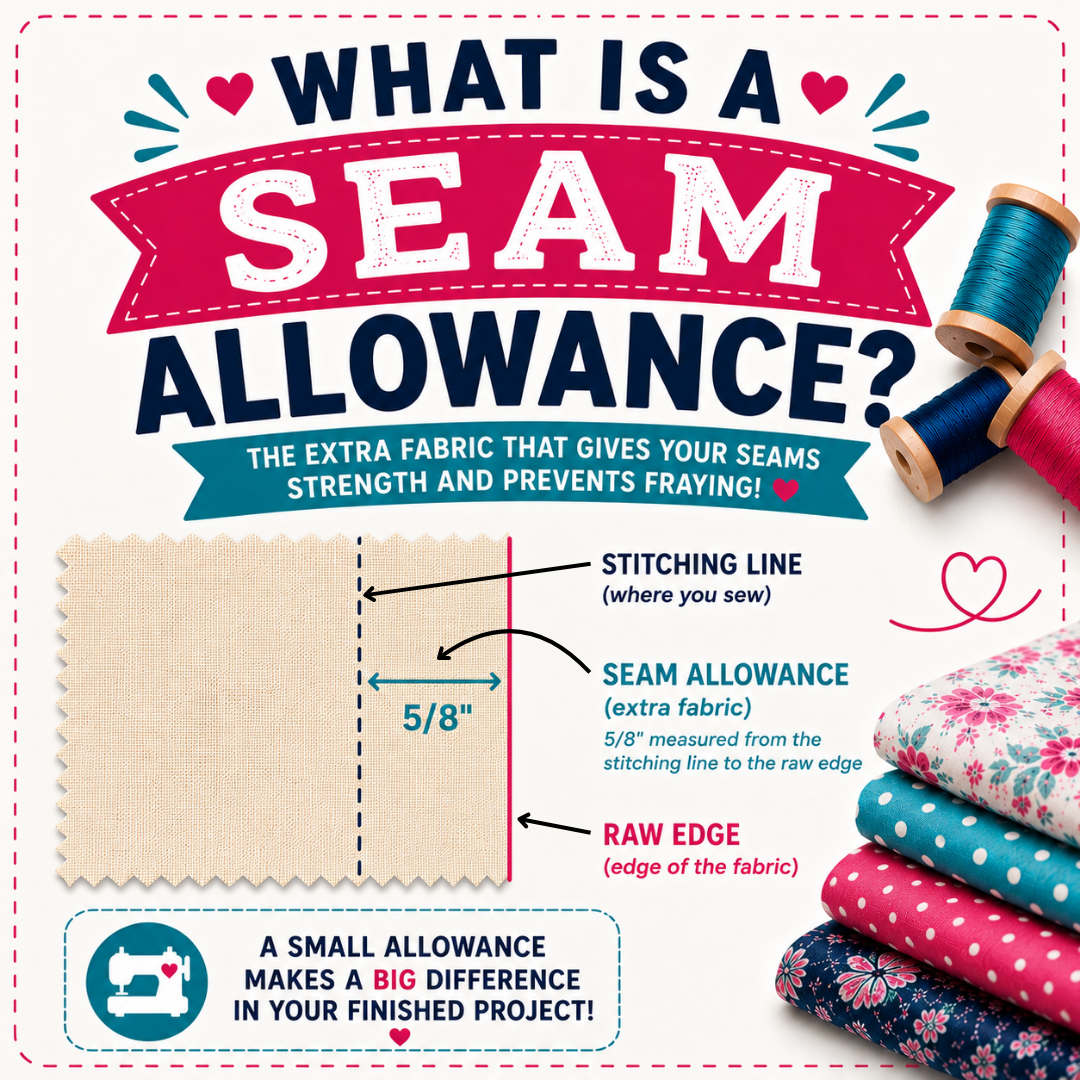
Seam allowance is one of those sewing terms that gets mentioned constantly but rarely explained. Here's what it actually means, why getting it right is so important, and how to sew a consistent seam allowance every time.

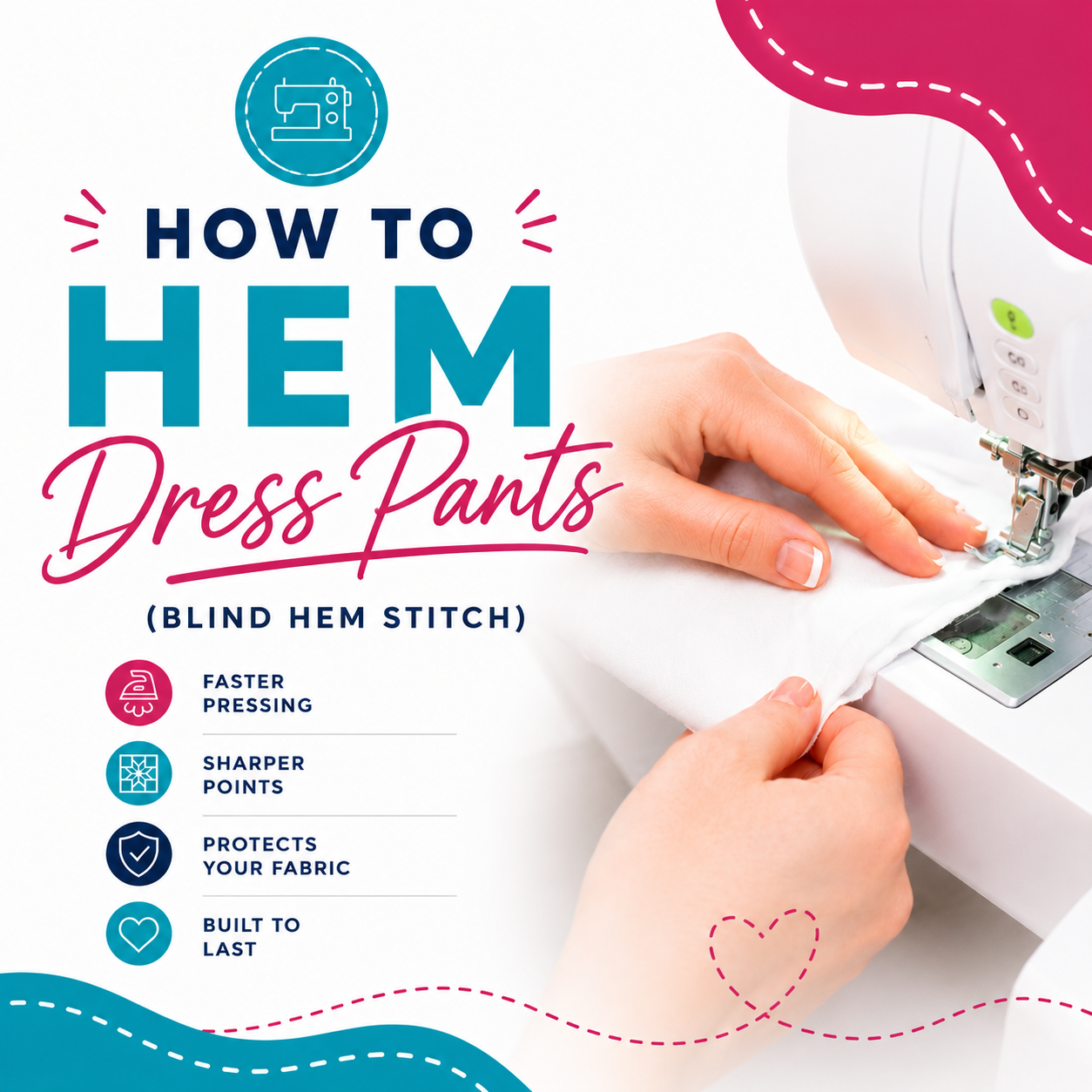
Hemming dress pants is one of the most requested alterations there is, and once you know how to sew a blind hem stitch, it's surprisingly fast. Here's a step-by-step guide to getting a clean, nearly invisible hem at home.

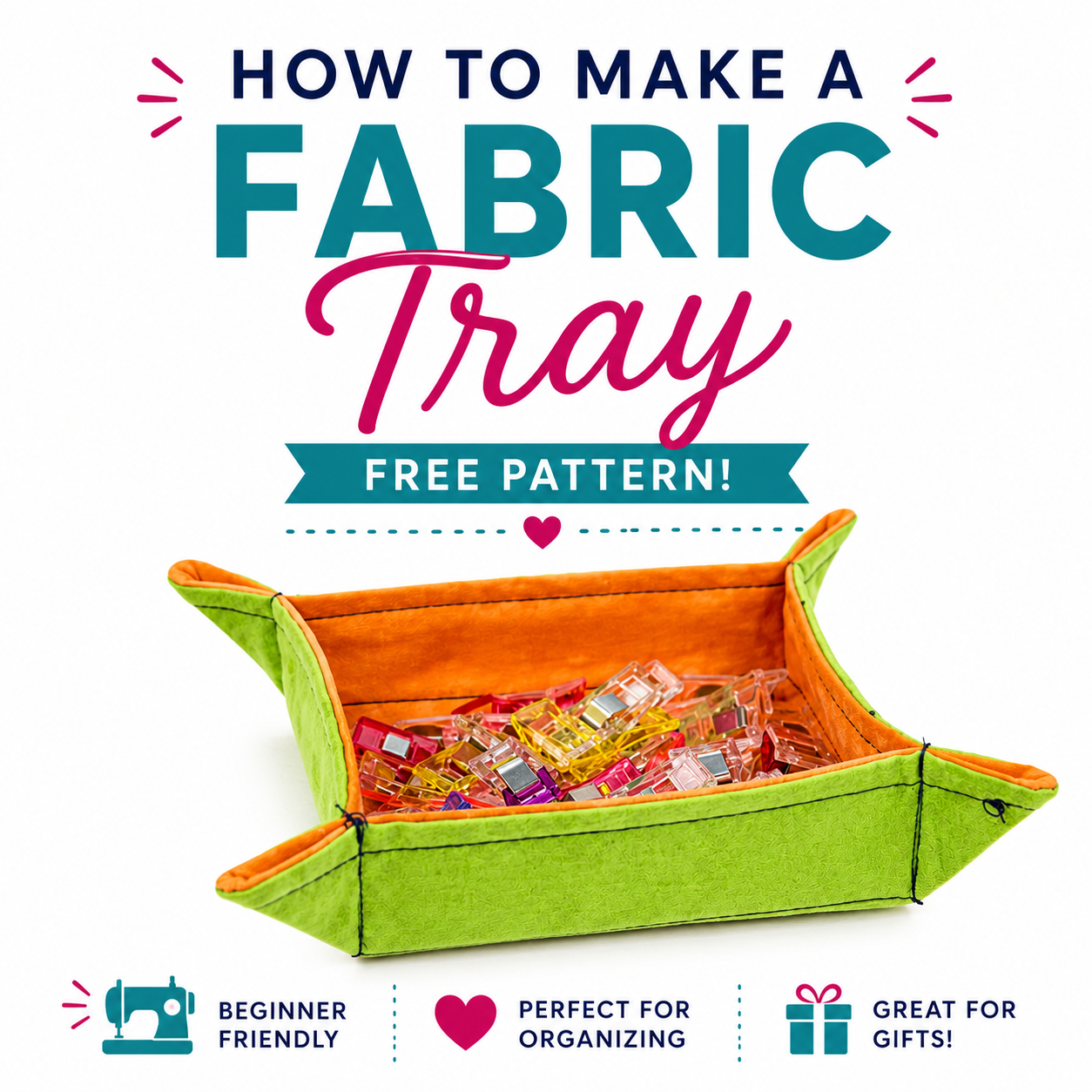
This little fabric tray is one of those projects you can knock out in under 10 minutes with fabric scraps you already have. It's practical, it looks great, and once you make one you'll want to make a bunch more.

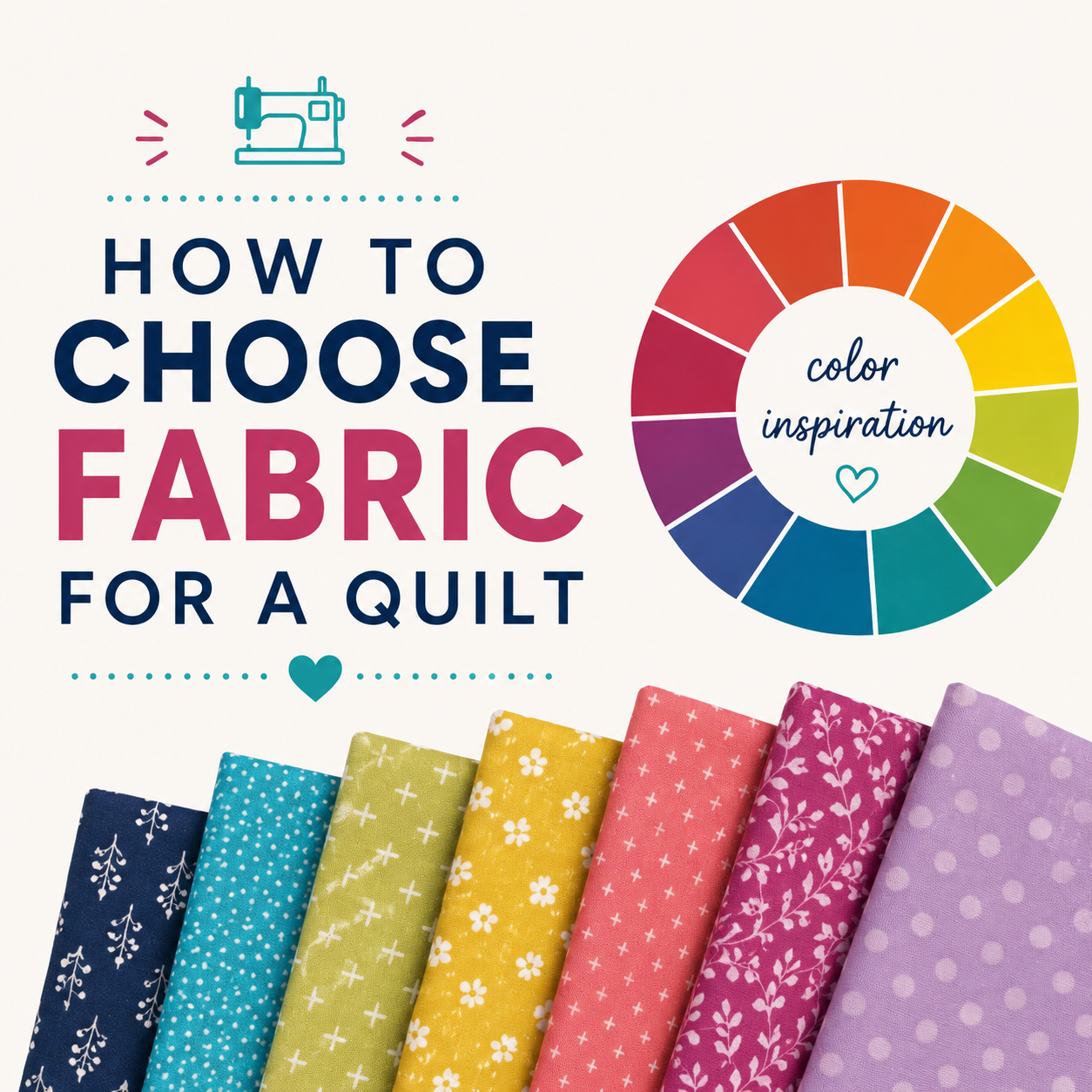
Picking fabrics for a quilt can feel overwhelming, but it gets a lot easier once you understand a few basics. Here's how to use color theory, tone, and print scale to build a quilt palette that actually works.

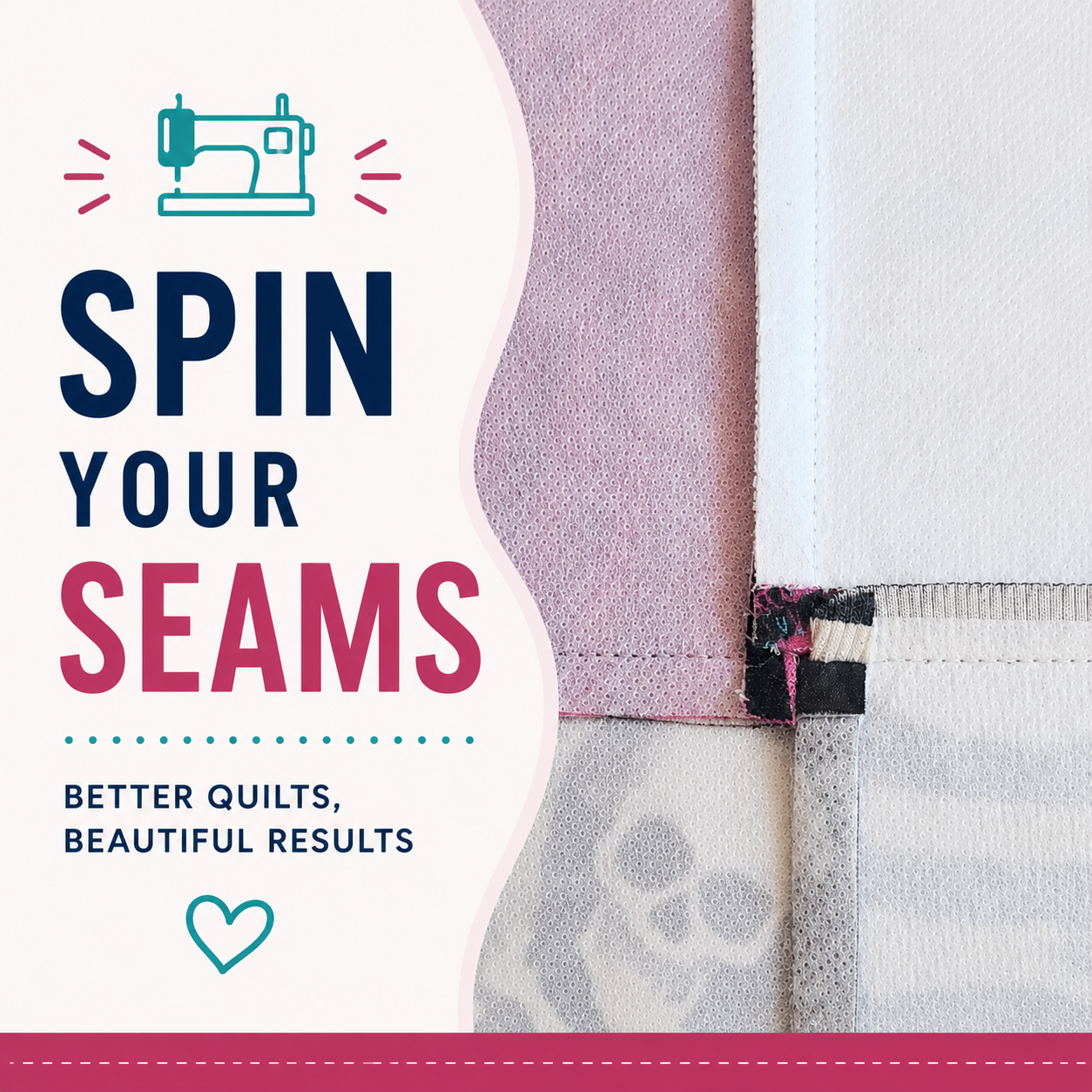
If your quilt blocks won't lie flat, spinning seams is the technique worth learning. It takes a little more time than traditional pressing, but the result is noticeably flatter blocks and smoother intersections. Here's exactly how to do it.

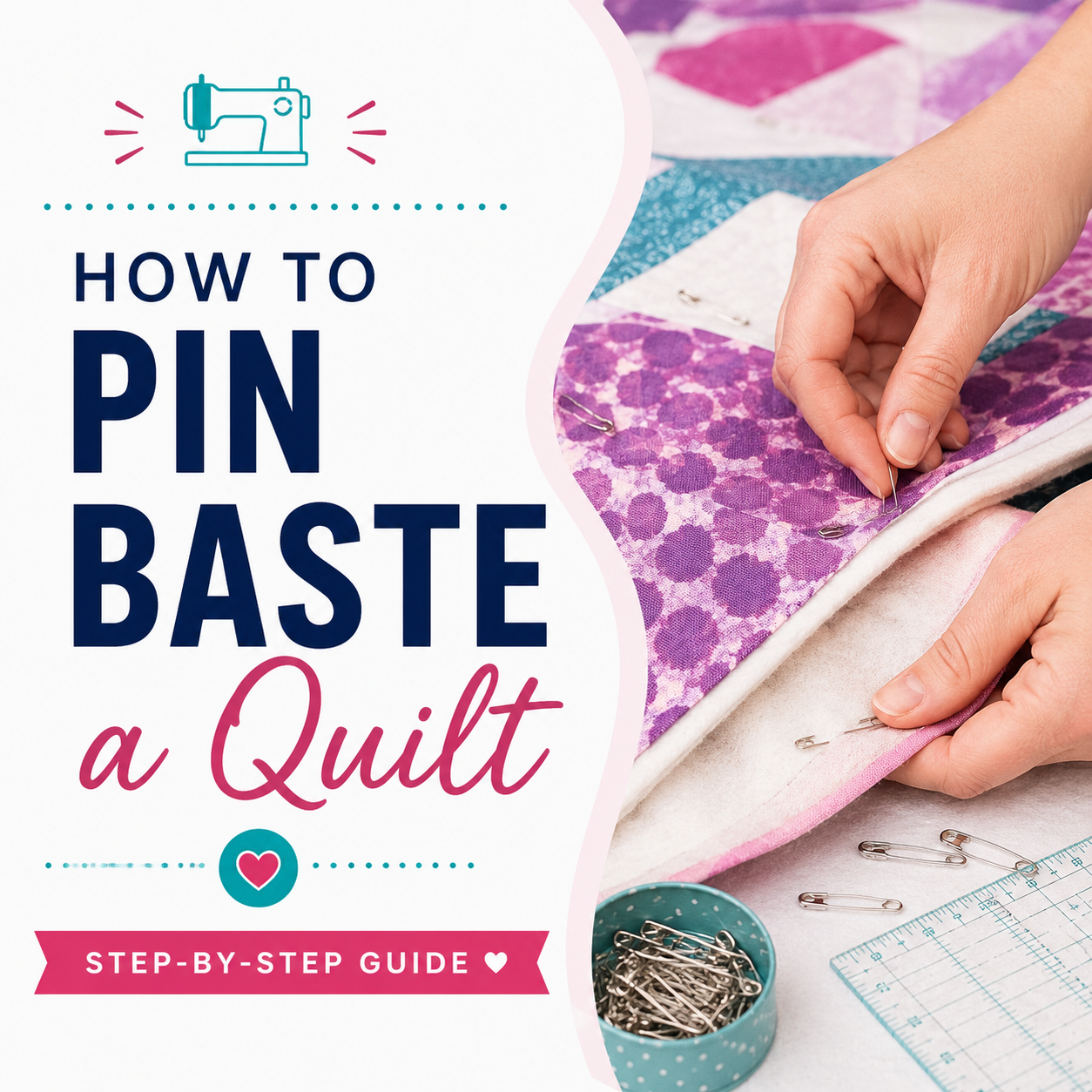
Basting is nobody's favorite part of making a quilt, but skip it and you'll end up with puckers and shifting layers. Here's how to do it right using four different methods, so you can pick whichever works best for your project.

Most of us don't think about cleaning our sewing machine until something goes wrong. This 12-step guide walks you through exactly how to do it right, from removing lint under the throat plate to oiling the moving parts, in 15 minutes or less.

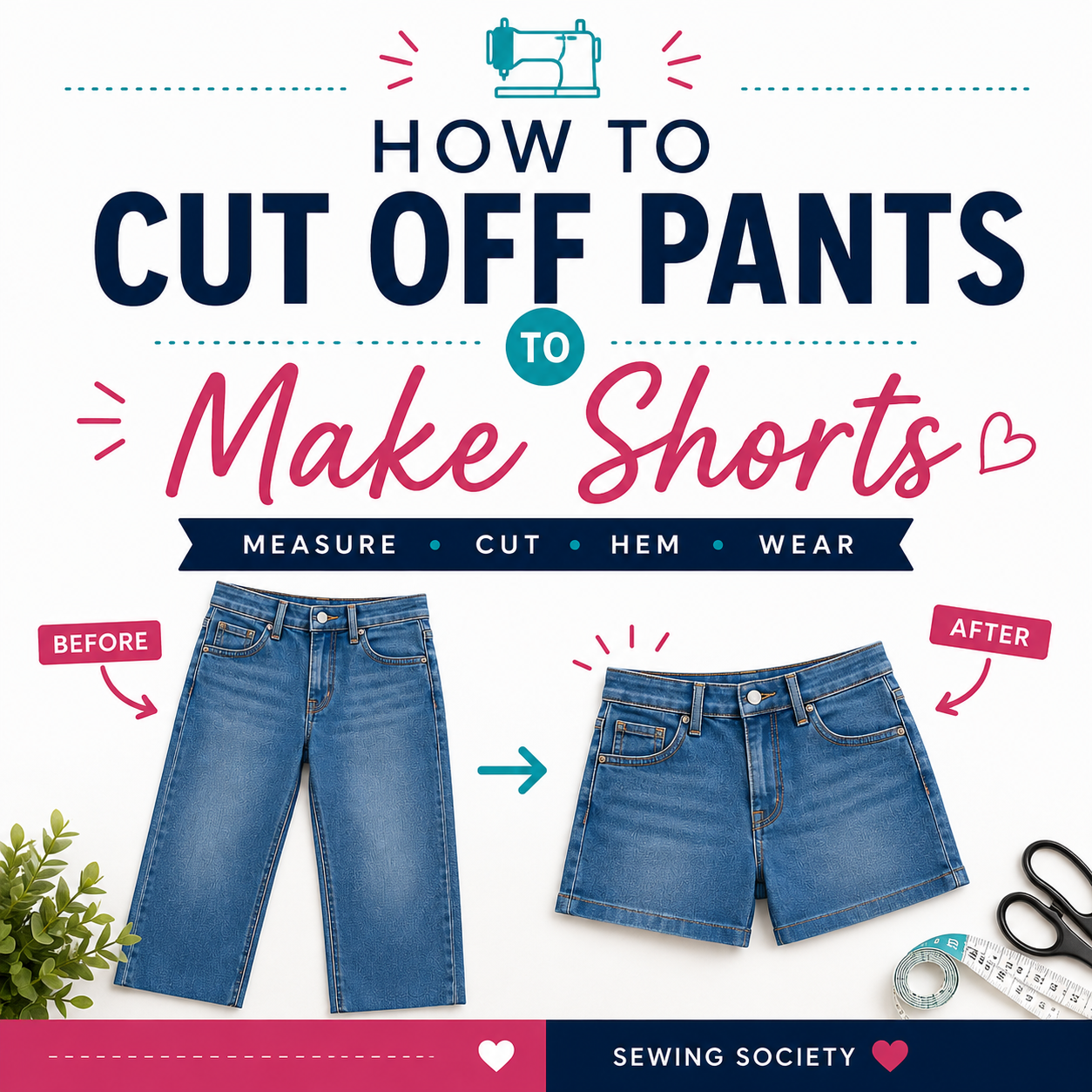
Summer hit and my kids refused to wear long pants, so instead of buying all new shorts, I started cutting their pants down. With fusible hem tape, the whole thing takes under 5 minutes and you don't need a sewing machine at all.

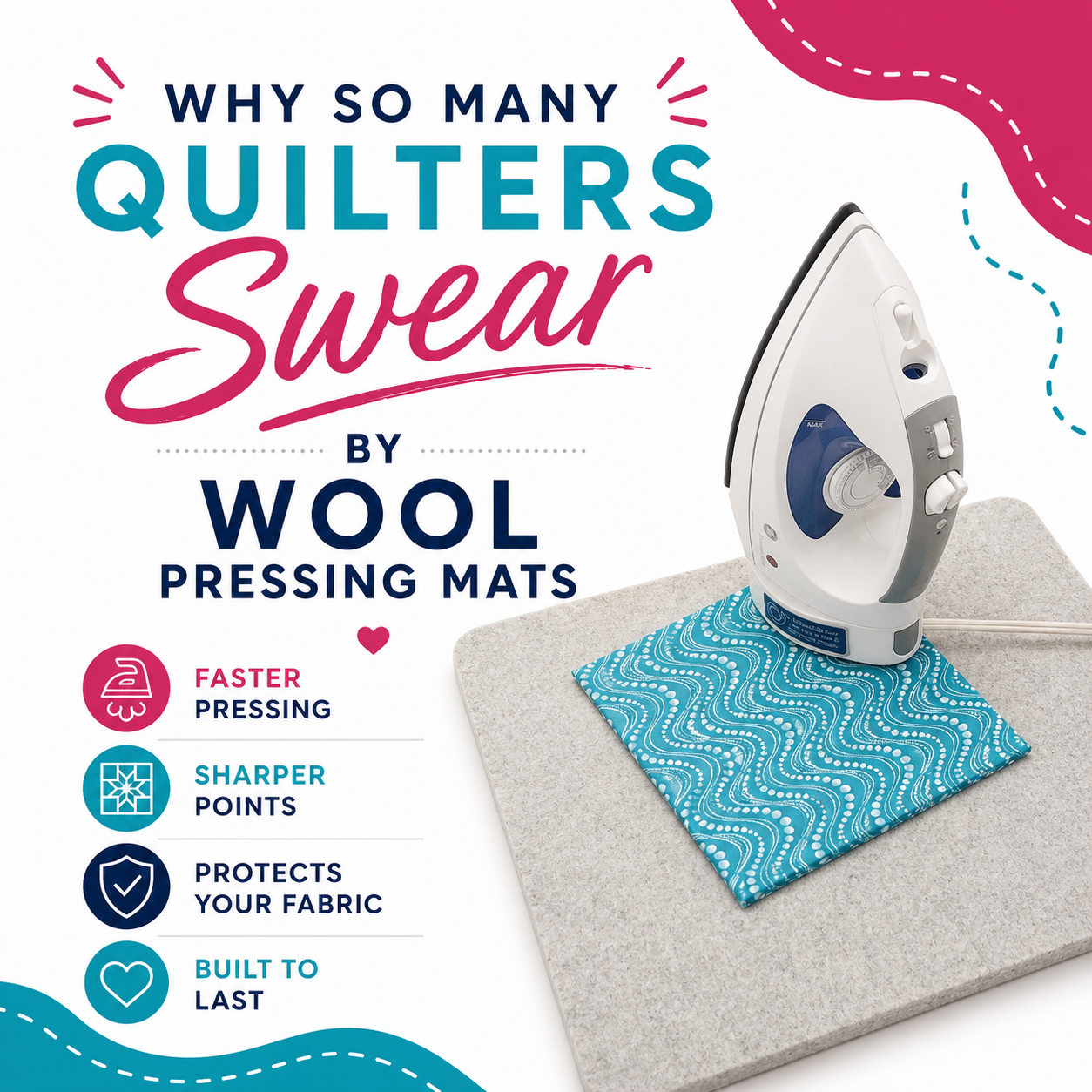
Wool pressing mats have become a must-have tool for quilters everywhere. Discover the four reasons they work better than a regular ironing board, plus tips for cleaning and caring for your mat so it lasts for years.

Pressing quilt seams correctly is one of the most important steps for a flat, polished quilt. Learn the two main methods, when to use each one, and seven practical tips for getting professional results every time.

Mistakes are part of sewing, even for experienced sewists. Learn how to use a seam ripper with four simple techniques, so you can unpick stitches cleanly and protect your fabric every time.

Most kids are ready to start sewing between ages 8–10, but 11–13 is the true sweet spot for confident, independent learning. Here's how to know when your child is ready and what to expect at each stage.

Fraying is one of those things that can turn a beautiful sewing project into a frustrating mess — unraveling seams, fuzzy edges, and stitches that slowly pull apart over time. The good news is that it's completely preventable. Whether you're sewing a simple tote bag or a lined dress, there's a seam finish for every project and every skill level.

Have you ever been in the middle of a sewing project, completely stumped, and wished you had an expert sitting right next to you? Someone you could just ask — without judgment, without having to scroll through pages of forum posts, without waiting days for a reply? That's exactly what the AI Sewing Coach is. And I think it might change the way you sew.

Is it actually cheaper to sew your own clothes than to buy them? Sometimes yes, sometimes no — it really depends on what you're making and how you shop. Here's an honest look at the real costs involved in sewing your own clothes, including fabric, notions, and patterns, and how to keep those costs lower than the store price.

Sewing is wonderful, but some of the tasks that go along with it can feel never-ending. These ten practical tips will help you sew faster without sacrificing the quality of your finished projects, from smarter cutting habits and simpler fabric choices to a few tricks most sewists don't think about.

Choosing fabric for a sewing project is one of the most fun parts of sewing, but it can also be overwhelming. Before you grab the first thing that catches your eye, ask yourself these four questions. They'll help you find fabric that suits your pattern, your skill level, and your budget.

Thinking about selling items you've made from a sewing pattern? Before you do, you need to check the copyright terms. Not all patterns allow commercial use, and "no copyright notice" doesn't mean you're in the clear. Here's a simple breakdown of what the most common copyright terms mean and what to do before you start selling.

Running a craft fair booth means hearing some things you weren't quite prepared for. The two comments you'll encounter most are "I could make that myself" and "This is too expensive." Here are some ready-to-use responses for both, from quick and gracious to clever and confident, so you're never caught off guard.